

One of the greatest honors of working in student ministry is teaching God’s Word. It can also bring the most pressure because it’s the most public aspect of our job. Being such, every time we teach it is easy to scrutinize ourselves (and that will happen). In many settings, how well we teach will determine how most people evaluate our overall ability to perform our job. Ministry is obviously much more than teaching, but fair or unfair, it is something we need to do well. So, here are four observations from 20+ years in student ministry that will hopefully help reduce some of that pressure and set you up to win as a communicator.
1. Sticky Calendars
When is the stickiest time to teach about something? When it’s already on someone’s mind. To create effective yearly teaching calendars, keep two things in mind: seasons and rhythms.
SEASONS:
This one’s obvious – December (Christmas story), February (dating and boundaries), March/April (Easter and Lent). Popular seasons are low-hanging fruit for sticky teachings because certain topics naturally surface during those times. Rather than trying to “outthink the room,” leverage those seasons to drive home those crucial topics when they’re ready to hear them.
RHYTHMS:
This one requires a little more observation of where you do ministry. Geographically, different cities and states have different rhythms of life. Learn them! For example, when I was a Student Pastor in Colorado, summer was DEAD month. Why? Because it’s Colorado, and during the summer, it’s amazing outside! It’s truly almost heaven (Sorry, West Virginia), so after work hours, families would disappear in the mountains or on lakes. Rather than pushing against that life rhythm, I went along with it. I killed weekly programming, did zero teaching, and had two months to earn and build relational equity by doing life with students and families outdoors in the most beautiful place God created for summers: Colorado!
PRO TEACHING TIP:
Create a teaching team. If you’re teaching more than 40x a year, students will get too familiar with your voice and begin tune you out. One of the greatest minds in NBA history, Pat Riley, admitted that every coach’s voice has a limited lifespan when players begin to tune them out. Rather than force-feeding your voice 50+ times a year (which creates an unnecessary learning hurdle for the listener), build a team of 3 or 4 capable adults and students to teach once or twice a month. This keeps your voice fresh and creates incredible buy-in from the people you share the mic with.
2. Effectiveness Over Excellence
The internet gives us unlimited access to world-class speakers, and it is a blessing and a curse. It’s a blessing because you can learn from high-level communicators on demand, whenever you want. It’s a curse because it’s easy to unfairly compare ourselves to them. I don’t necessarily believe “comparison is the thief of joy”; I think comparison can be motivating and challenging for the right person. But it can give a skewed perspective on winning at teaching.
Excellence is something we should all pursue as communicators, but it’s not the destination. Effectiveness is the goal.
For something to be effective is has one measure: did it meet the objective? When teaching is more about the teacher than the audience, excellence is the benchmark. Did I do well? Was it funny? Do they like me?
When it’s about the audience more than the teacher, effectiveness is the benchmark. Did they learn something? Was that applicable? Can everyone leave with the same overarching idea?
Those are the right questions, but not always the ones we truly care about the most. Excellence makes the teacher look good, but effectiveness is always good for the audience. Ultimately, that’s what matters most for our teaching.
PRO TEACHING TIP:
There are two simple markers of effective biblical teaching: Learning and Life Application. If you taught something and no one learned anything or applied it to their life, then you did not teach well. You talked or entertained them. The most important feedback that matters when you teach is whether anyone learned and applied anything.
3. Stories of Failures AND Wins
If you were to ask your plugged-in students if they knew your faith story (testimony), would they? They should because storytelling is the most effective way to convey information to someone that we want them to remember and ingest.
Storytelling is powerful because it hardwires information into our brains, making it significantly more memorable than fact sharing. Stories uniquely engage an audience because people naturally place themselves inside the stories they hear or see.
Do you know what everyone’s favorite topic is? Here’s a hint – look in a mirror!
When I was a Student Pastor in Albuquerque (highly underrated city), a high school student told me something shocking. She said, “When my friends and I hear you talk about drinking when you were a teenager and how Jesus changed your life, sometimes we get stuck on ‘you drinking,’ and it makes us want to try it.” Whether or not that was fair, it was honest, and honesty should always be taken seriously.
When I first started out in ministry, a mentor told me, “If you want to impress someone, share your successes; if you want to impact someone, share your struggles.” I still believe that statement is true, but not comprehensively true. Students need an example to follow as much as, if not more than, they need a cautionary tale.
PRO TEACHING TIP:
Think of teaching like making Kool-Aid. If you only use the Kool-Aid mix, it’s gross. If you only stir in sugar, it’s not Kool-Aid – it’s just super bad for your teeth! If you mix both in, you’ve got something special. The same is true for teaching with stories and facts (doctrine, truth, etc.) – Always mix in both!
4. Peers, Peers, and more Peers on Stage!
Remember the question I asked in the previous section? What’s everyone’s favorite topic? That holds true here, too. When a student sees a peer on stage teaching (or participating in the teaching), they lean in more. Why? Because it’s their voice.
When a student teaches, it has the potential for everyone to win. The student teaching wins because they were given a legit, real responsibility from their Youth Pastor and are taking ownership of the ministry. The audience wins because they not only hear about God’s Word in their own language, but they also see a new possibility – one where they could learn and teach about the Bible, too. Lastly, you, the Student Pastor, stack wins in this scenario! When a student teaches…
You’ve potentially added a new leader to your teaching team.
They’re guaranteed to invite friends because they’ve got a big role that night!
Because you’re a responsible Student Pastor, you didn’t just give a student carte blanche on stage; you spent meaningful time with them, helping them craft their message and discover their voice. I can’t oversell how powerful this is!
PRO TEACHING TIP:
Asking a student to teach or help you teach is more than a good opportunity. It communicates an indispensable message – I believe in YOU. You may very well be the only non-parent adult (or in some cases, the only adult, period) who they hear that from. That is a lifelong message every teenager needs.
CLOSING THOUGHT:
Teaching can bring a lot of pressure and be exhausting over time because another Sunday is always just a week away, but it doesn’t have to be. Teaching can be pressure-free when we have a clear strategy, redefine the win, and share the stage. So, learn your local family rhythms, recruit some effective (not excellent!) teachers, include students, and start stacking wins as a communicator and a Student Pastor.
Remember – it’s not good teaching if no one learns or applies it!
TEACHING RESOURCES

Made to Stick
•Learn to Craft Messages that STICK
•6 Principles of Sticky Ideas
•Keep it Simple & Memorable
•Does Your Message have a MANTRA?
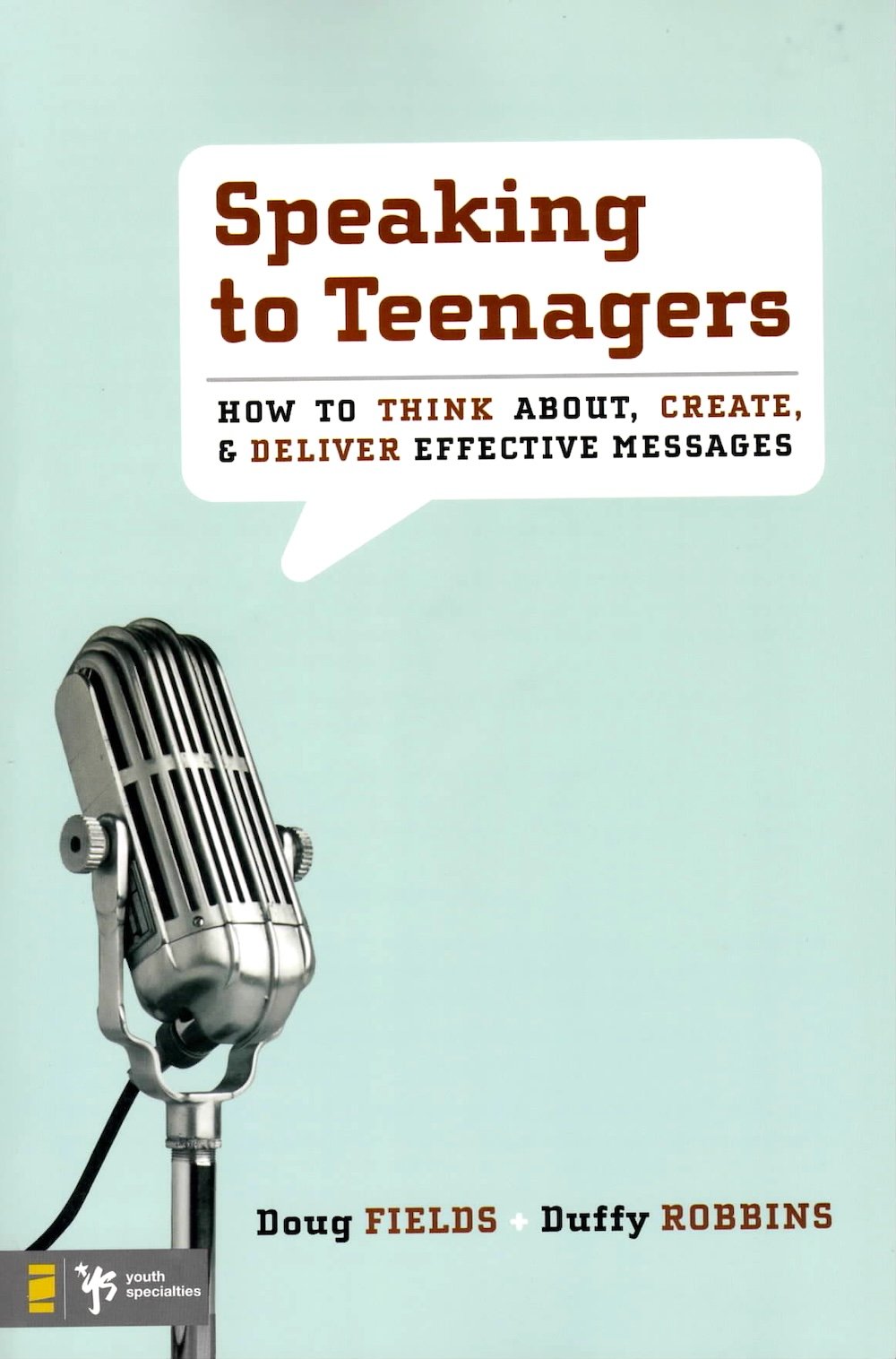
Speaking to Teenagers
•Think, Create, & Deliver Effective Messages to Students
•Tips & Tools for engaging Students
•Public Speaking & Communication Strategies
•Enhance Your Lesson Prep & Your Impact

Check Out the Related PODCAST!
EPISODE #77: TENACIOUS TEACHING
EPISODE #78: TENACIOUS TEACHING W/ RON
EPISODE #22: HOW TO BE A BETTER COMMUNICATOR w/ AARON

Author: Jason A. Clark (Lead222 Coach) • Posted: Mar 2026






















Hey Lead222 Community! We have some great speakers & videos lined up for our Summer Training. We asked our STAFF to PICK some of their FAVORITE teachers, trainers, and thought leaders to help enhance your youth ministry and your leadership. Check it out…